Volume 230 | September 2022

|
e-Services |
|
You may access
via our website: |
|
Social Media |
|
Follow us on the following social media platforms: |


Wavering shipping demand results in declining ocean freight rates |
||||||||||||||||||||||||||||||||||||||||||||||||||||||||||||||||
|
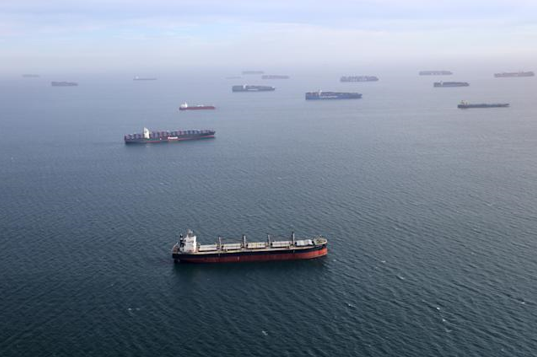
In August, average container freight rates are 'stabilizing' and have declined sharply compared to the same period last year. As expected, the rate levels remain few times higher compared to pre-COVID rates. It is observed that the demand trend is slowing down while shipping capacity is increasing. In Europe and USA, the labour strikes are creating further mayhem to the existing port congestions. Coupled with the accelerating inflation and the inventory built up in Europe and USA, there is an overall lower demand for imports.
With the drop in vessel utilization and the absence of the peak season demand trends, ocean freight rates are declining. This is contrary to the usual historical peak for shipping from July to September, which may be good news for forwarders and shippers sending cargo out from China. In the past years, there is always a pre-holiday rush for shippers to send cargo before the China golden week starting October 1, which is absent this year. In addition, the extreme weather in China this summer is creating droughts, which in turn result in power shortages, particularly in provinces where electricity is largely generated by hydropower. In Sichuan where 80% of their energy needs are dependent on hydropower, energy supplies are running low especially with the increased usage of energy to stay cool during this worst heatwave in 60 years. Authorities are announcing power rationing, factory closures etc. to deal with the heatwave and this could again have ripple effects on the international supply chains. The challenges arising from the heatwave might be more impactful than that of the previous COVID lockdowns in China, causing more severe economic effects. With vessel utilization dropping, a wavering demand trend and the port congestion issues in different parts of the world, the short term rates are expected to decline further in the coming months. |
||||||||||||||||||||||||||||||||||||||||||||||||||||||||||||||||
Country Focus – Indonesia |
||||||||||||||||||||||||||||||||||||||||||||||||||||||||||||||||
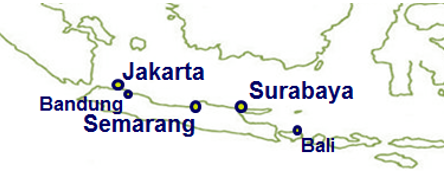
Globelink Indonesia, established since 2010, provides a wide range of sea freight forwarding services. This includes our core business of NVOCC operator, cargo transshipment, consolidation services for less than container load (LCL) & full container load (FCL) cargo to and from most major ports globally. We currently have offices in 4 locations locally:
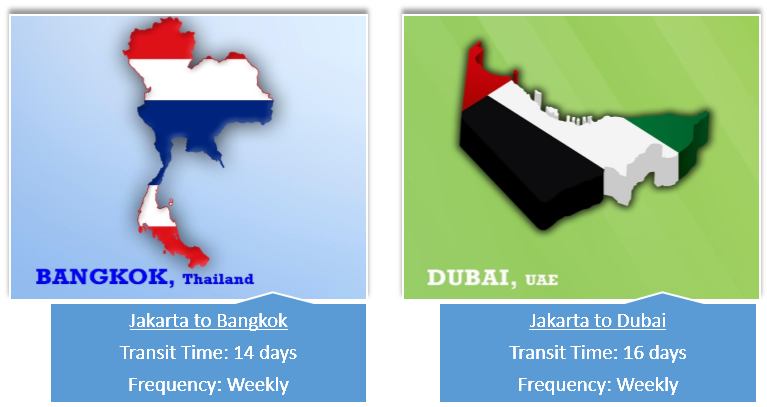
Globelink Indonesia offers multiple sailing schedule weekly and quality carrier options to fulfil our customer needs of reaching cargo at destination with a shorter transit time.
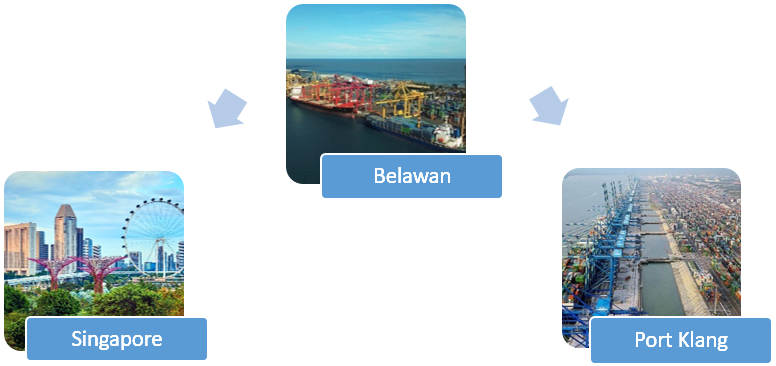
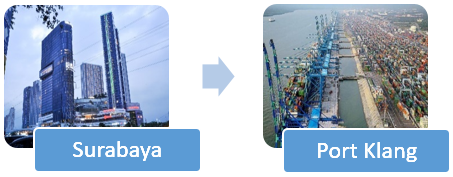
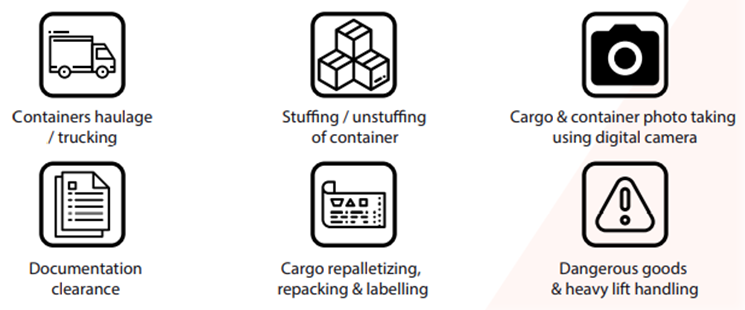
Below lists some of our direct niche services:
Globelink Indonesia also provides inland transportation to inter-island in Indonesia such as Kalimantan, Sulawesi, Papua and Bali.
Globelink Indonesia owns the largest CFS (Container Freight Station) in Indonesia. Our CFS is located in APW Building & MBP within the Indonesia port (Tanjung Priok) which provides better accessibility for loading and unloading at dock. We have a container handling capacity of 3,000 teus per month. Inbound containers are devanned within 48 hours upon discharged and computer generated discrepancy or damaged reports are transmitted to our partners within 24 hours after devanning.
Globelink Indonesia works closely with PSA Chemcare and Port Chemist to handle classes except for 9 chemicals under IMO classes 2.3, 6.1, 5.1 & 8. We accept import DG from SIN and export into SIN.
For more information on our services in Indonesia, please contact our local offices: Jarkarta – PT Globelink Sea and Air Fright Indonesia Surabaya – PT Globelink Sea and Air Freight Indonesia Belawan – PT Globelink Sea and Air Freight Indonesia Semarang – PT Globelink Sea and Air Freight Indonesia |
||||||||||||||||||||||||||||||||||||||||||||||||||||||||||||||||
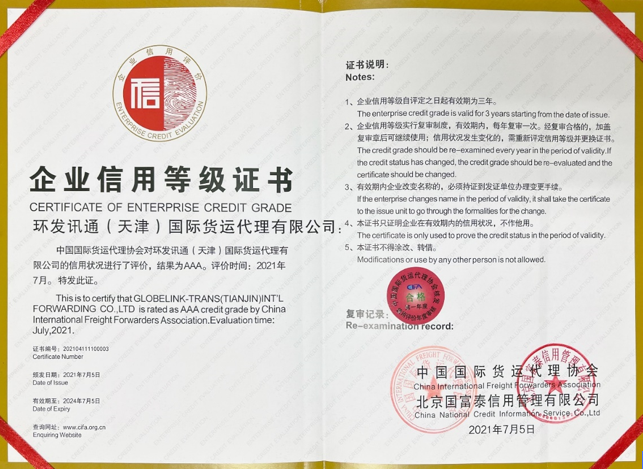
Globelink China receives AAA credit grade for the 15th consecutive year! |
||||||||||||||||||||||||||||||||||||||||||||||||||||||||||||||||
|
Globelink China is once again rated as AAA credit grade by China International Freight Forwarders Association. The results of credit rating are divided into five classes AAA/AA/A/B/C, among which AAA is the highest level and C is the lowest. The results depend on the comprehensive rating of an enterprise's credit based on the following aspects:
Congratulations to Globelink China for this great achievement for the 15th time! |
||||||||||||||||||||||||||||||||||||||||||||||||||||||||||||||||
Brown Marmorated Stink Bug (BMSB) Season 2022-2023 |
||||||||||||||||||||||||||||||||||||||||||||||||||||||||||||||||
|
The Department of Agriculture in Australia have released the measures for Brown Marmorated Stink Bug (BMSB) season 2022-23. The 2022-23 BMSB seasonal measures will apply to targeted goods manufactured and shipped from the below target risk countries that have departed between 1 September 2022 and 30 April 2023 (inclusive), and to vessels that berth, load, or trans-ship from target risk countries within the same period. Any target high risk or target risk goods which are manufactured in or shipped from the target risk countries will be subject to the BMSB seasonal measures. Any vessel that berths at, loads, or trans-ships from the target risk countries is also subject to the BMSB seasonal measures. Note: The shipped on board date, as indicated on the Ocean Bill of lading, is the date used to determine when goods have been shipped. “Gate in” dates and times will not be accepted to determine when goods are shipped.
The following countries have been identified as emerging risk countries for the -BMSB risk season and may be selected for a random onshore inspection: United Kingdom and China
All shipments from target countries (regardless of if high risk goods or not) will have to be declared to the departments of Agriculture.
Goods that fall within the following tariff classifications have been categorised as target high risk goods and will require mandatory treatment for BMSB risk.
For any further information/questions regarding the BMSB season please use the below Link to the Department of Agriculture: |
||||||||||||||||||||||||||||||||||||||||||||||||||||||||||||||||
CWT Globelink Group